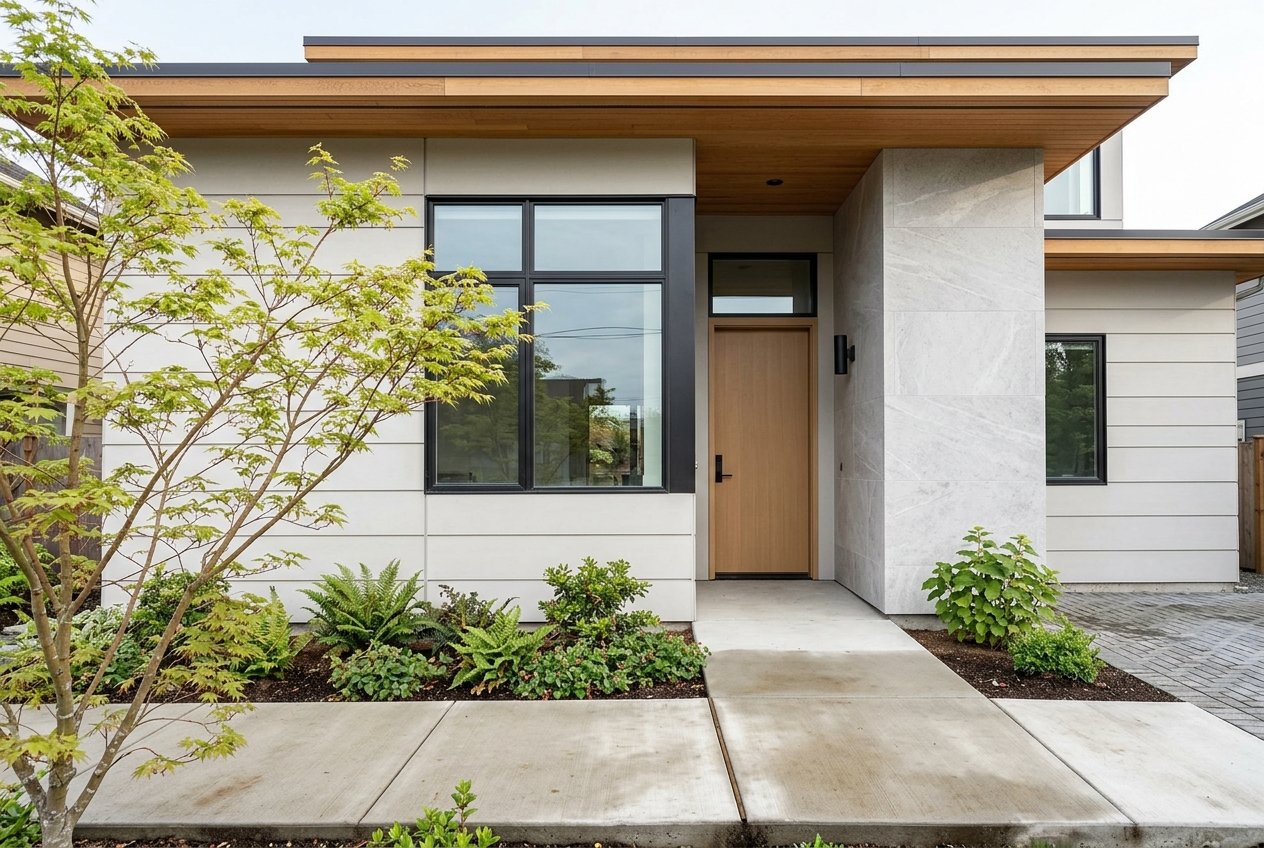
Wondering whether Newcastle gives you the right mix of Eastside access, quieter surroundings, and everyday livability? If you are trying to choose between Bellevue, Renton, Issaquah, or another nearby area, Newcastle can be easy to overlook at first glance. The good news is that once you understand its price point, commute patterns, housing feel, and outdoor assets, it becomes much easier to see whether it matches your goals. Let’s dive in.
Newcastle at a glance
Newcastle is a small residential city in King County, set between Bellevue, Renton, and the Cougar Mountain area of Issaquah. The city describes itself as a small community with urban convenience, outdoor access, and distinct neighborhoods, and its 2024 population estimate was 13,072 residents.
For many buyers, that small-city scale is the headline. Newcastle tends to feel more compact and more residential than Bellevue, while still offering practical access to major Eastside destinations.
What Newcastle feels like
If you want a community that leans suburban without feeling far removed, Newcastle may check that box. Census data shows a 61.0% owner-occupied housing rate, which is higher than Bellevue, Renton, and Issaquah, and supports the sense that many parts of Newcastle feel settled and homeowner-oriented.
That does not mean Newcastle is sleepy or isolated. It is better understood as a premium Eastside location with a quieter profile, not as a budget alternative to Bellevue.
Newcastle home prices in context
Price is one of the biggest filters for any Eastside home search, and Newcastle sits firmly in the premium range. Census data shows a median owner-occupied home value of $1,205,600 in Newcastle.
That puts it above Renton at $672,600 and Issaquah at $963,000, but a bit below Bellevue at $1,340,300. In practical terms, Newcastle often makes the most sense if you are choosing it for lifestyle, location, and community feel rather than hoping for a major discount compared with the broader Eastside.
Who Newcastle fits best
Newcastle can be a strong fit if you want a smaller community, a suburban setting, and good access to Bellevue and Renton job centers. It also stands out for buyers who care about parks, trails, and having outdoor options built into daily life.
You may also appreciate Newcastle if you want an Eastside home base that feels calmer than Bellevue but still connected. For some buyers, that balance is exactly the point.
Who may prefer another area
Newcastle may be less ideal if your top priority is a lower purchase price or a more urban environment. Buyers looking for a denser mix of retail, office towers, and transit-centered living will often find more of that in Bellevue.
If budget is the primary driver, Renton will usually offer lower price points. If you want Newcastle, it helps to want Newcastle for what it is, not for what it is not.
Commute access from Newcastle
Location is one of Newcastle’s biggest advantages. The city sits in a practical position for people commuting toward Bellevue or Renton, which matters because both cities are important employment centers in the region.
Bellevue reports more than 150,000 jobs across industries such as information technology, business services, retail, and tourism. Renton points to major employers and anchors in manufacturing, aerospace, healthcare, and experiential commerce.
Road access and traffic reality
Newcastle’s commute pattern is closely tied to the I-405 corridor. That creates strong regional access, but it also means travel times can be affected by congestion and ongoing corridor work.
WSDOT identifies the I-405 Renton to Bellevue widening and express toll lanes effort as an active corridor project. The city has also used roads like Coal Creek Parkway and SR-900 as detour routes during I-405 work, which gives you a realistic picture of how traffic can shift during busy periods.
Transit options for Bellevue and Renton
Newcastle is not a rail-based neighborhood, but it does have a direct transit connection to major nearby hubs. King County Metro Route 240 connects Bellevue Transit Center, South Bellevue Station, Eastgate Park-and-Ride, Newcastle Way and Coal Creek Parkway, and Renton Transit Center.
That makes Newcastle more flexible than some buyers may assume. You may still want a car for many daily trips, but there is a direct public transit option linking Newcastle with both Bellevue and Renton.
Parks and outdoor access
If outdoor access matters to you, Newcastle has a strong case to make. The city maintains 17 parks totaling 251.39 acres, including nearly 40 acres of developed parks and about 7 miles of official trails, with another 12 miles proposed.
That is a meaningful amenity base for a city of this size. It gives Newcastle a lifestyle advantage that can shape how your week actually feels, not just where you sleep at night.
Lake Boren Park amenities
Lake Boren Park is the city’s primary attraction and a central point in the local trail system. It includes a playground, basketball and tennis courts, sand volleyball courts, picnic shelters, restrooms, and event space.
The city also uses the park for community events like Concerts in the Park, Fourth at the Lake, and Newcastle Days. That mix of everyday recreation and community use helps explain why Lake Boren Park is such a big part of Newcastle’s identity.
Cougar Mountain nearby
On Newcastle’s eastern boundary, Cougar Mountain Regional Wildland Park adds another major layer to the lifestyle picture. The park offers more than 3,000 acres and more than 35 miles of trails, including equestrian trails.
For buyers who want suburban living with fast access to larger open-space networks, this is one of Newcastle’s clearest strengths. You are not just getting neighborhood parks. You are also close to one of the region’s more substantial outdoor assets.
Daily-life amenities in Newcastle
Newcastle’s appeal is not only about commuting or home values. The city also highlights amenities such as The Golf Club at Newcastle, the Coal Creek Family YMCA, and a King County Library branch.
That matters because some suburbs work mainly as a place to come home to. Newcastle offers more of a lifestyle base, with options for recreation, routines, and community activities built into the local environment.
Housing options and future growth
Today, Newcastle still reads primarily as a suburban residential community. At the same time, city planning materials show that it is not locked into a single housing type forever.
The planning division says it works to protect natural areas and promote diverse housing options, and the city has noted that several high-density residential projects are under construction or under review due to market conditions. For buyers, that suggests gradual change rather than a dramatic shift into a dense urban core.
Middle housing changes to watch
In May 2025, the city said proposed ordinance updates would address accessory dwelling units, duplexes, triplexes, emergency housing, and possible townhouse forms along key corridors such as 116th Street and SE May Creek Park Drive. The city also noted that state law requires cities to allow duplexes or a single-family home with up to two ADUs in single-family zoned neighborhoods.
This matters if you are thinking long term. Newcastle’s housing stock may remain mostly suburban in feel, but the rules around housing variety are becoming more flexible over time.
Schools and district boundaries
If school assignment is part of your search, Newcastle has an important detail to keep in mind. The city is served by two school districts.
According to the city, Newcastle Elementary is in the Issaquah School District, while Hazelwood Elementary and Risdon Middle School are in the Renton School District and are also located in Newcastle. District boundary information notes that actual school placement can be address-specific, so buyers should always confirm details for a particular property.
So, is Newcastle the right Eastside base?
Newcastle tends to make the most sense if you want a premium suburban Eastside location with a smaller-community feel, strong outdoor access, and workable connections to Bellevue and Renton. It is especially appealing when you value parks, trails, and a more residential rhythm, but still need regional convenience.
It may be less compelling if your main goal is stretching your budget or living in a more urban, transit-first environment. In other words, Newcastle is usually a strong choice when you are buying into its specific lifestyle, not just comparing square footage or price alone.
If you are weighing Newcastle against Bellevue, Renton, Issaquah, or another Eastside option, a clear neighborhood-by-neighborhood strategy can make the decision much easier. If you want thoughtful local guidance on where Newcastle fits into your search, Rebecca Mitsui can help you compare your options with clarity and confidence.
FAQs
Is Newcastle more affordable than Bellevue?
- Usually, yes, but it is still a premium Eastside market. Census data shows Newcastle’s median owner-occupied home value at $1,205,600 compared with Bellevue’s $1,340,300.
Is Newcastle cheaper than Renton?
- No, Newcastle is typically much more expensive than Renton. Census data shows Renton’s median owner-occupied home value at $672,600.
Does Newcastle have good commute access?
- Newcastle offers strong access to Bellevue and Renton, especially by road, but commute times can be affected by I-405 congestion and construction activity.
Does Newcastle have public transit to Bellevue?
- Yes. King County Metro Route 240 connects Newcastle with Bellevue Transit Center, South Bellevue Station, and Renton Transit Center.
What kind of lifestyle does Newcastle offer?
- Newcastle offers a suburban residential setting with strong outdoor amenities, including 17 parks, trail access, Lake Boren Park, and close proximity to Cougar Mountain Regional Wildland Park.
Are there different school districts in Newcastle?
- Yes. Newcastle is served by both the Issaquah School District and the Renton School District, and school assignment can depend on the specific address.
Is Newcastle mostly single-family housing?
- Newcastle remains largely suburban in character, but city planning and housing updates point toward gradually increasing housing variety over time, including ADUs, duplexes, triplexes, and possible townhouse forms in some areas.
