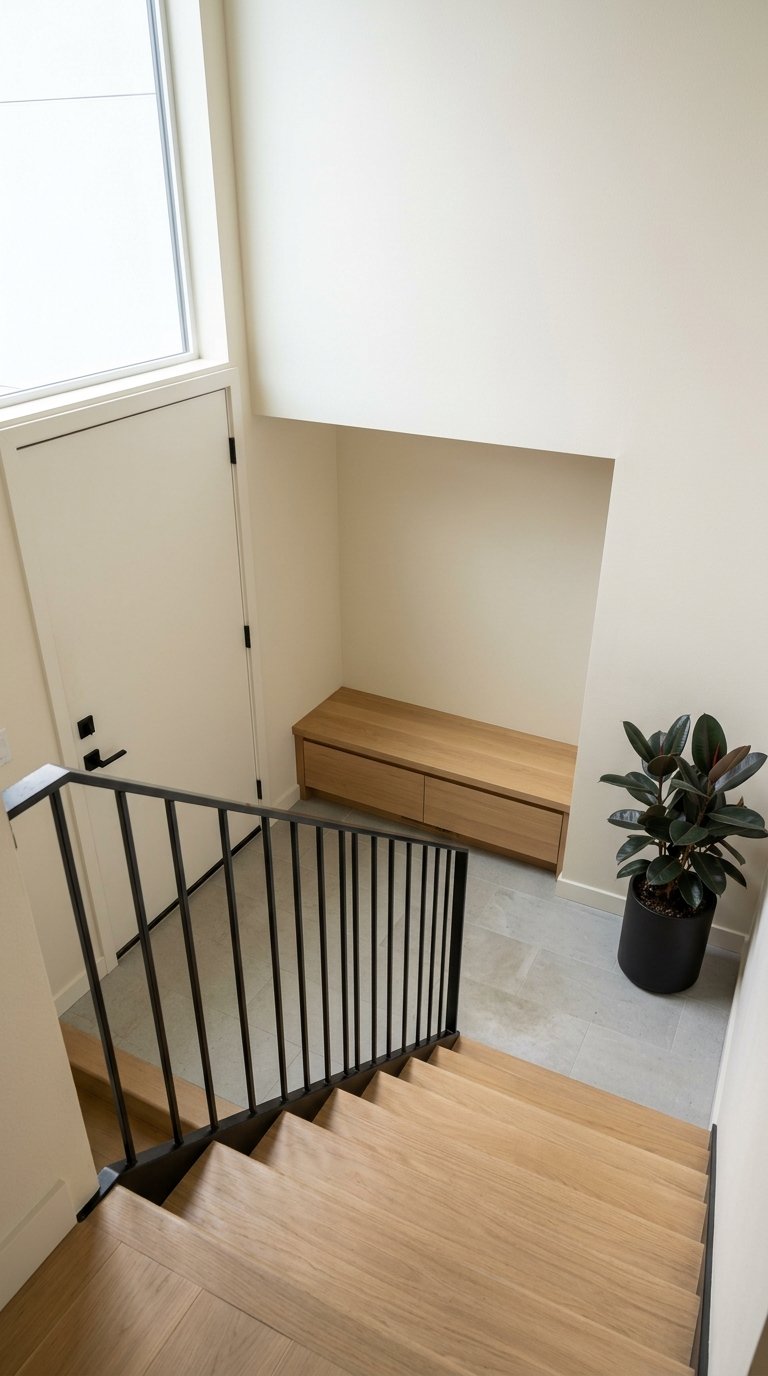
Buying your first place in Seattle can feel like choosing between two hard options: stretch for a detached house or compromise on space and layout in a condo. For many buyers, a townhome lands in the middle, but it also comes with details that are easy to miss if you are new to the process. This guide will help you understand how Seattle townhomes work, what to look for before you buy, and which questions can save you stress later. Let’s dive in.
Why Seattle Townhomes Matter
Townhomes are one of Seattle’s core in-city housing types, not a niche product. The city’s residential code covers townhouses with separate entrances and no more than three stories, and Seattle’s middle-housing updates continue to support attached homes as part of the local housing mix.
For a first-time buyer, that matters because you are not just buying a home. You are buying into a housing type that is deeply tied to how Seattle is growing. That can create more opportunities, but it also means you need to understand the rules, ownership structure, and long-term livability.
What a Seattle Townhome Actually Is
A townhome describes a building style, not always the legal form of ownership. In Seattle and Washington, a townhome may be set up as part of an HOA, including some zero-lot-line communities, or as a condominium.
That difference is important because the legal documents determine what you actually own and what the association controls. Your declaration, CC&Rs, and plat help define maintenance duties, shared costs, and property rules.
Townhome vs. Condo vs. Detached House
A Seattle townhome usually has its own entrance and shares one or more walls with neighboring homes. A condo is more often part of a larger multifamily building with shared common areas. A detached house stands on its own lot without shared walls.
From a first-time buyer’s perspective, townhomes often offer a more approachable entry point than detached homes. At the same time, they can involve more shared decision-making and more paperwork than a standalone house.
Why Ownership Structure Matters
If you only remember one thing, remember this: read beyond the floor plan. Two homes that look nearly identical online may come with very different ownership rights and responsibilities.
Some townhomes have homeowner associations that manage shared items and enforce community rules. Others are organized as condominiums, which can affect how maintenance, insurance, dues, and disclosures work before closing.
Documents That Deserve Your Attention
Before you buy, pay close attention to the governing documents. These often include:
- CC&Rs
- the recorded declaration
- the plat
- resale documents from the association
These records help answer practical questions like who maintains the roof, exterior, landscaping, shared drive areas, or other common elements. They also show whether there are use rules or financial obligations you should understand before moving forward.
Budget Beyond the Mortgage
First-time buyers often focus on purchase price and monthly payment, but townhome costs can be more layered. In a common interest community, mandatory dues help pay for shared costs such as streets, lights, sewers, garages, insurance, and administrative expenses.
That means dues are part of your real monthly housing cost. They are not just an extra fee on the side. When you compare homes, make sure you compare the total monthly picture.
What Dues May Cover
Depending on the community, dues may help cover:
- shared utilities or infrastructure
- exterior maintenance
- common-area insurance
- landscaping
- administrative expenses
- other shared property costs
Coverage varies by community, which is why reading the documents matters. A lower monthly due is not automatically better if it means more maintenance is pushed onto individual owners.
Understand Resale Certificates and Assessments
Washington requires a resale certificate before closing in applicable communities. This document can disclose current assessments, delinquent assessments, special assessments, unpaid association obligations, and other fees.
For a first-time buyer, this is one of the most important due-diligence documents in the transaction. It tells you whether the community’s finances look predictable or whether you could face surprise costs after closing.
Watch for Special Assessments
A special assessment can increase your out-of-pocket costs beyond normal dues. If one is planned, pending, or being discussed, you want to know before you commit.
This is also where strong guidance matters. A townhome purchase is not just about liking the kitchen or rooftop deck. It is also about understanding the financial health of the community you are joining.
Why Reserve Studies Matter
Reserve studies do not sound exciting, but they can tell you a lot. In Washington, associations with significant assets should prepare and update a reserve study to plan for major maintenance, repair, and replacement of common elements.
Think of reserves as the community’s long-term repair fund. If reserves are weak, the association may have fewer resources for future work, which can raise the risk of deferred maintenance or future special assessments.
What Buyers Should Ask
When reviewing a townhome community, ask:
- Is there a current reserve study?
- Are reserve accounts being funded?
- What major repairs or replacements may be coming?
- Has the association discussed projects that could affect owners financially?
These questions can give you a clearer picture of whether the home feels affordable now and stays manageable later.
Insurance Works Differently
Insurance in a townhome or condo-style setting is often split between your own policy and the community’s master policy. According to the Washington Office of the Insurance Commissioner, these policies typically work together to cover losses inside and outside the unit.
That is different from buying a detached house, where you usually carry one primary homeowner policy for the whole property. In a townhome, you want to understand where the master policy stops and where your own policy needs to begin.
Think Hard About Parking
In Seattle, parking deserves more attention than many first-time buyers expect. The city’s parking rules allow different standards depending on the property and location, and some middle-housing sites near major transit stops may have no parking required.
That means you should not assume a townhome includes easy off-street parking just because it is a multi-level home. Photos can make parking look simple when day-to-day use is not.
Questions to Ask About Parking
Make sure you know:
- whether parking is deeded, assigned, or not included
- whether guest parking exists
- whether daily use depends on street parking
- whether the garage or stall works for your vehicle size
- whether access feels practical for deliveries and regular use
Seattle also regulates driveway width, slope, maneuvering space, and curb cuts. A parking setup that works on paper may still feel awkward in real life.
Don’t Rely on Street Parking Alone
Seattle’s restricted parking zone system can help manage neighborhood parking, but an RPZ permit does not guarantee a space. In denser areas, there may be more permits than available street spaces.
If your routine depends on always finding curb parking nearby, treat that as a real lifestyle consideration. For many first-time buyers, parking becomes a much bigger quality-of-life issue after move-in than it seemed during a quick showing.
Look at the Neighborhood’s Future
Seattle’s updated middle-housing rules support more attached housing and allow more units on many residential lots. For buyers, that is useful context because the block you see today may not stay exactly the same over the next several years.
That does not mean change is bad. It does mean you should think about your holding period, daily routine, and how future development could affect privacy, parking, and neighborhood activity.
A Smart Seattle Townhome Tour Checklist
When you tour a Seattle townhome, keep your questions practical and specific. Focus on how the home works legally, financially, and day to day.
Use this checklist as a starting point:
- What do the monthly dues cover?
- Are any special assessments planned or under discussion?
- Is there a reserve study?
- Is the home part of an HOA or a condominium structure?
- Who handles the roof, exterior, garage, landscaping, and shared areas?
- Is parking deeded, assigned, or street-based?
- Does the parking setup work for your vehicle and routine?
- How does insurance work between the owner policy and master policy?
These questions can help you compare homes more clearly and avoid surprises after closing.
Key Terms First-Time Buyers Should Know
Seattle townhome shopping gets easier when you understand the vocabulary. Here are a few terms worth knowing before you tour and before you review disclosure documents.
Common Interest Community
A common interest community is real estate where ownership includes obligations to pay for taxes, insurance, maintenance, or improvements under recorded covenants. In practical terms, it means shared rules and shared costs are part of ownership.
CC&Rs
CC&Rs are the recorded rules that govern what owners can and cannot do in the community. They can affect maintenance responsibilities, use restrictions, and day-to-day expectations.
Resale Certificate
A resale certificate is the disclosure packet that shows dues, assessments, and other financial obligations before closing. It is one of the clearest windows into the association’s current financial picture.
Reserve Study
A reserve study is a long-range plan for major repairs and replacements funded through reserves. It helps buyers understand whether a community is planning ahead for large shared expenses.
Master Policy
A master policy is the association’s insurance policy for shared losses. It works alongside your own owner policy rather than replacing it.
RPZ
RPZ stands for restricted parking zone. In Seattle, it may affect neighborhood street parking, but it does not guarantee that a street space will be available when you need one.
Help for Eligible First-Time Buyers
Seattle’s Office of Housing offers downpayment assistance for eligible first-time buyers within city limits. The program requires first-time-buyer status, approved homebuyer education, and one-on-one housing counseling.
If you are exploring townhomes as a first step into ownership, programs like this may be worth asking about early. It is often easier to plan your budget when you know what support may be available.
Why Clarity Helps Resale Later
Your first home is also a future resale. In Seattle, townhomes with clear legal documents, workable parking, predictable maintenance, and understandable shared costs may be easier for future buyers to evaluate.
That is one reason it pays to buy with the long view in mind. A home that is easy to explain and easy to live in can put you in a stronger position when it is time for your next move.
If you are weighing Seattle townhome options, the right guidance can make the process feel much more manageable. A thoughtful review of documents, parking, maintenance, and neighborhood context can help you buy with more confidence. When you are ready to talk through your goals, connect with Rebecca Mitsui for clear, local guidance tailored to Seattle buyers.
FAQs
What is the difference between a Seattle townhome and a condo?
- A Seattle townhome is usually a building style with a separate entrance and shared wall or walls, while a condo is often a unit in a larger multifamily building. A townhome can still be legally organized as a condominium or as part of an HOA.
What should first-time buyers review before buying a Seattle townhome?
- Review the CC&Rs, recorded declaration, plat, resale certificate, reserve information, monthly dues, planned assessments, and parking details so you understand ownership, costs, and maintenance responsibilities.
Do Seattle townhomes always include parking?
- No. Some townhomes have deeded or assigned parking, while others may rely partly or fully on street parking. In some transit-adjacent areas, parking may not be required under Seattle rules.
What does a resale certificate show for a Seattle townhome?
- A resale certificate can disclose current assessments, delinquent assessments, special assessments, unpaid association obligations, and other fees that may affect your costs before and after closing.
Why is a reserve study important for a Seattle townhome purchase?
- A reserve study helps show whether the association is planning and saving for major repairs and replacements. Weak reserves can be a sign of future special assessments or deferred maintenance.
How does insurance work for a Seattle townhome?
- Insurance is often shared between the association’s master policy and the owner’s individual policy. You should confirm what the master policy covers and what coverage you need to carry yourself.
