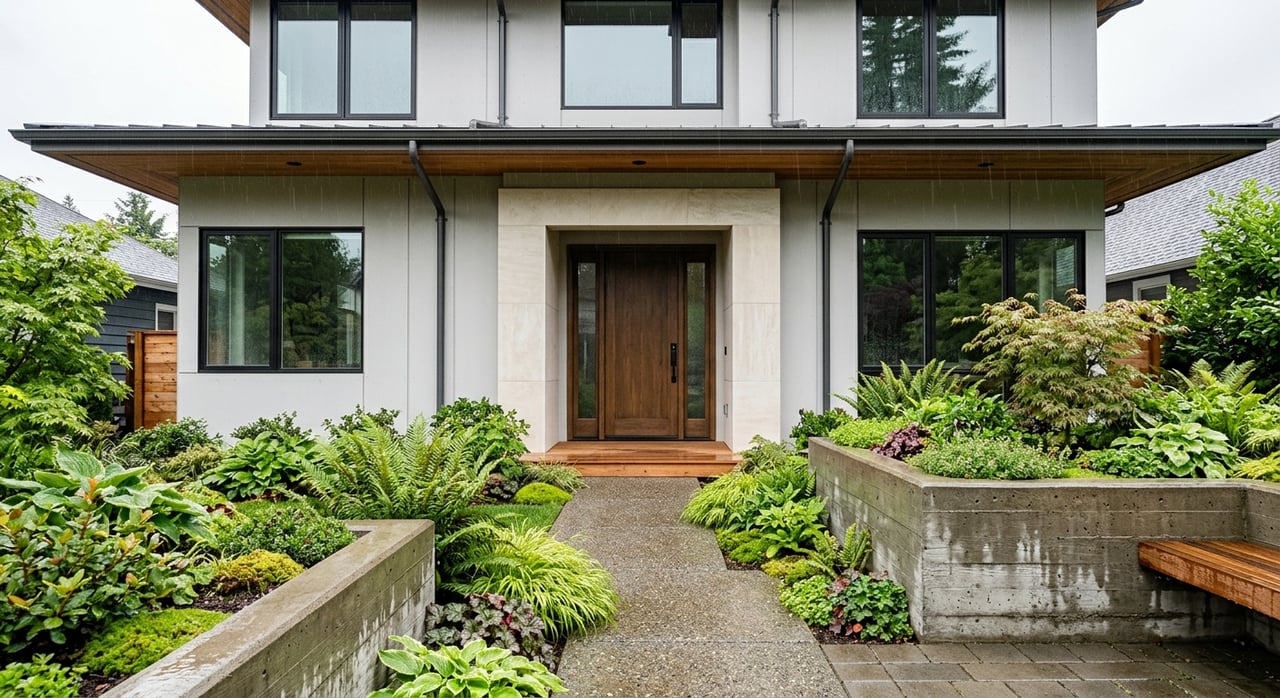
Wondering whether Shoreline feels more like a quiet suburb, a Seattle satellite, or something in between? If you are thinking about moving north of the city, that is a fair question. Shoreline offers a residential feel, strong park access, and growing transit convenience, all while staying close to Seattle. Here is what it is actually like to live there, and what you may want to consider before making a move.
Shoreline at a glance
Shoreline is a primarily residential city in King County with an estimated population of about 66,542. The city describes itself as made up of 14 neighborhoods supported by resident volunteers, which helps explain why many parts of Shoreline feel local and distinct rather than uniform.
It also sits about 10 miles from downtown Seattle, which gives you access to the city without living in the middle of it. If you want a home base that feels more settled and neighborhood-oriented, Shoreline often appeals for that reason.
A residential feel with established roots
One of the first things many people notice about Shoreline is that it feels established. According to the city’s housing analysis, about 54% of the housing stock was built before 1970, and only 14% was built after 1999.
That older housing pattern shapes the day-to-day feel of the city. In many areas, you will find mature neighborhoods, an existing residential rhythm, and housing that reflects Shoreline’s long suburban history.
At the same time, the city says Shoreline is gradually maturing into a more self-sustaining urban environment. In practical terms, that means you may see newer development near major corridors and transit while many neighborhoods still retain a more traditional residential character.
Parks are part of everyday life
If outdoor access matters to you, Shoreline has a lot to offer. The city’s park system supports a lifestyle built around regular walks, neighborhood green space, and occasional waterfront time rather than a single concentrated entertainment district.
Richmond Beach Saltwater Park is the standout waterfront destination. The city identifies it as the only park with direct public access to the saltwater shoreline, and the park includes open water access, a view terrace, picnic shelters, an off-leash dog area, a playground, and unpaved trails.
Richmond Beach Community Park also offers Puget Sound views, which adds to the area’s connection to the water. For many residents, that coastal access is a big part of Shoreline’s appeal.
Away from the shoreline, there is a strong mix of neighborhood and natural-area parks. Hamlin Park includes fields, picnic areas, a playground, and unpaved trails, while Boeing Creek Park and Boeing Creek Open Space offer wooded natural areas with more trails.
Echo Lake Park adds another option with open water access, paved trails, picnic areas, and a playground. If your ideal routine includes morning walks, playtime at the park, or easy outdoor breaks close to home, Shoreline is set up well for that.
Transit has become a bigger advantage
For many buyers, one of the biggest questions is how easy it is to get to Seattle. Shoreline has long had regional transit service, but the transit picture improved significantly in 2024.
The city says Shoreline is served by Metro Transit, Community Transit, and Sound Transit. It also has Link light rail service at Shoreline North/185th and Shoreline South/148th stations.
On August 30, 2024, Sound Transit opened the Lynnwood Link Extension. That change gave Shoreline riders direct Link access to downtown Seattle and SeaTac Airport through the city’s two stations.
If you want commuting flexibility, that matters. You are not limited to driving, and you now have a more direct rail option for trips into Seattle and beyond.
Local connections add convenience
Light rail is only part of the story. Local bus connections help make Shoreline more functional for daily movement, whether you are headed to another neighborhood, connecting to a station, or traveling south toward Seattle.
King County Metro’s post-Link network includes several routes that support those trips:
- Route 365 connects Shoreline North/185th and Shoreline South/148th
- Route 345 connects Shoreline South/148th to Northgate via Bitter Lake and Northwest Hospital
- Route 303 provides peak service between Aurora Village, Northgate, downtown Seattle, and First Hill
Along the Aurora corridor, Aurora Village Transit Center includes the E Line to Downtown Seattle. The city also notes a Lime e-bike and e-scooter pilot, which can help with shorter trips and first- or last-mile connections.
Housing options are broadening
Shoreline still leans heavily toward single-family housing, but it is no longer just a single-family market. The city’s housing analysis says about 70% of housing units are single-family, 25% are multifamily with five or more units, 3% are triplexes or fourplexes, and 2% are duplexes.
That mix matters if you are trying to match lifestyle and budget. Depending on your goals, you may find detached homes, condos or apartments, townhome-style options, and a growing range of housing forms near transit and key corridors.
The city also says newer multifamily construction has clustered near light rail and along Aurora Avenue. New townhome construction has been concentrated along North 185th between Town Center and Shoreline North/185th Station.
If you are looking for newer housing, those areas may offer more of it than older residential pockets. If you prefer an established-home feel, other parts of Shoreline may align better with what you want.
The city is planning for more housing variety
Shoreline is not standing still. City policy is actively encouraging a wider range of housing types, which is useful context if you are thinking long term about the area.
The city’s permit information says current housing permits are typically for townhomes and apartments. Its middle-housing materials list duplexes, triplexes, fourplexes, courtyard apartments, cottage housing, townhouses, multiplexes, and live/work units as examples of the housing forms it is encouraging.
The city’s strategic plan also calls for increasing the supply and variety of housing types. For buyers, sellers, and property owners, that points to continued change in certain parts of Shoreline, especially near transit and redevelopment corridors.
What costs look like in Shoreline
Shoreline is still a homeowner-leaning market. Census QuickFacts reports an owner-occupied housing rate of 66.3%, which suggests many residents own rather than rent.
For pricing context, the median owner-occupied home value is $811,100, and the median gross rent is $1,985. The average household size is 2.44.
Those numbers place Shoreline in the upper tier for both ownership and rental costs. If you are comparing Shoreline with other north-end locations, it helps to think not just about monthly cost, but also about what you are getting in return, such as transit access, park space, and proximity to Seattle.
Who Shoreline tends to fit best
Shoreline tends to work well if you want a quieter residential setting with practical access to the city. It can be a strong fit if you value green space, established neighborhoods, and a mix of older homes and newer housing near transit.
It may also appeal to buyers who want options. Some people are drawn to single-family homes on residential streets, while others prefer newer townhomes or housing closer to stations and major routes.
What Shoreline may not offer in the same way as denser Seattle neighborhoods is a single central district that defines the whole city. Instead, the lifestyle is often more distributed, with neighborhood identity, parks, and transit nodes shaping the experience.
What to keep in mind before you move
If Shoreline is on your shortlist, it helps to look closely at the part of the city that matches how you want to live. Different areas can feel more established, more transit-oriented, or more connected to parks and waterfront access.
You should also think about the kind of housing you want now and what may matter later. In a city where older housing stock and newer development exist side by side, the right fit often comes down to your priorities around condition, location, commute, and long-term plans.
For buyers and sellers alike, Shoreline is especially interesting because it combines stability with change. It has long been a residential north-Seattle option, but its transit growth and evolving housing mix are creating new possibilities across the city.
If you are exploring Shoreline and want help comparing neighborhoods, housing types, or resale potential, Rebecca Mitsui can help you make a clear, confident plan.
FAQs
What is Shoreline, Washington, like for daily life?
- Shoreline feels primarily residential, with established neighborhoods, extensive park access, and convenient connections to Seattle by road, bus, and light rail.
What kinds of homes can you find in Shoreline?
- Shoreline is still dominated by single-family homes, but you can also find multifamily housing, duplexes, triplexes, fourplexes, and newer townhome development, especially near transit and Aurora Avenue.
How close is Shoreline to downtown Seattle?
- The city says downtown Seattle is about 10 miles away, which makes Shoreline a practical option if you want to stay close to the city without living directly in it.
Does Shoreline have light rail access?
- Yes. Shoreline has Link light rail service at Shoreline North/185th and Shoreline South/148th, with direct access to downtown Seattle and SeaTac Airport through the Lynnwood Link Extension.
Are there good parks in Shoreline?
- Yes. Shoreline has a strong park system that includes Richmond Beach Saltwater Park, Hamlin Park, Boeing Creek Park, Boeing Creek Open Space, and Echo Lake Park.
Is Shoreline mainly a single-family home market?
- Mostly, yes. The city says about 70% of housing units are single-family, though housing variety is increasing through townhomes, apartments, and other middle-housing types.
