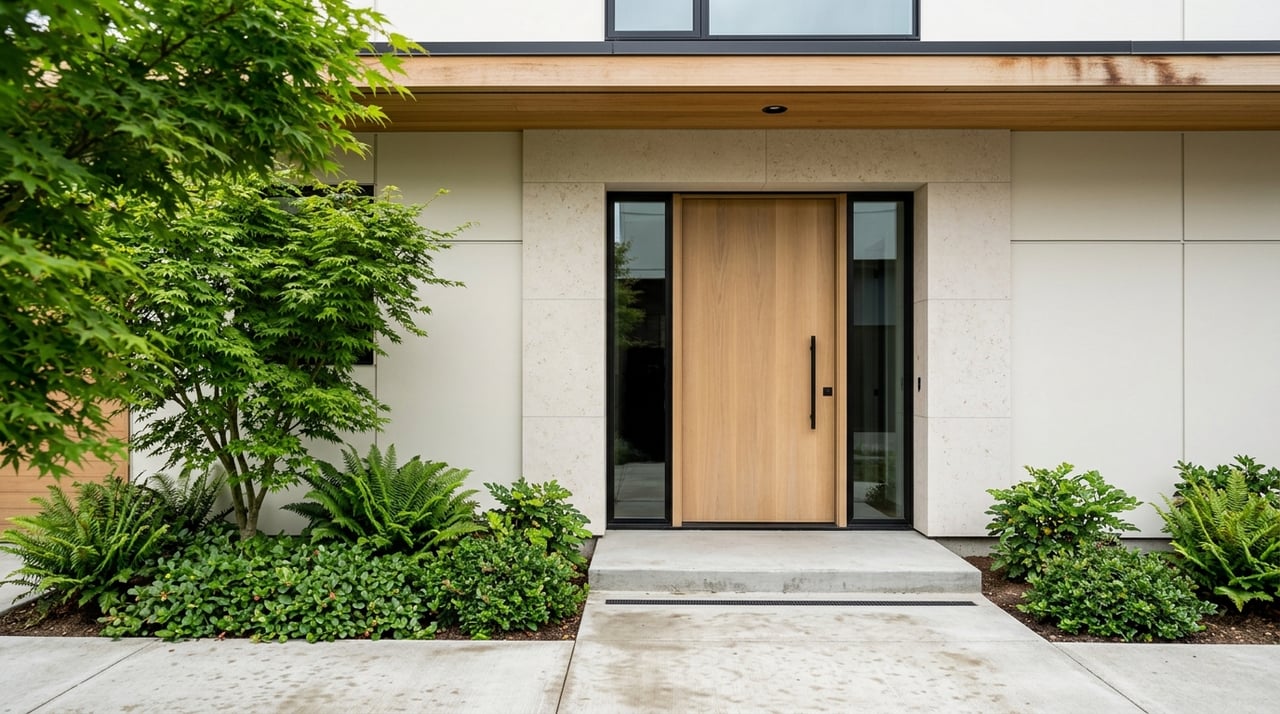
Shopping for a brand-new home in Seattle can feel reassuring at first glance. Everything is clean, modern, and untouched. But in this market, the real story often starts outside the front door, not inside the kitchen. If you want to buy with confidence, you need to look past the finishes and understand how the lot, permits, and construction details come together. Let’s dive in.
Start With the Site
In Seattle, the lot can shape the home just as much as the floor plan. A beautiful new build on a challenging site may come with tradeoffs that are easy to miss during a quick showing.
Seattle’s public tools can help you research zoning, parcel boundaries, shoreline environments, environmentally critical areas, and active permits. The city also makes it possible to review permit stage, related permits, complaints, violations, and rental registration records. That means you can often learn quite a bit about a property before you even decide whether to move forward.
Check slope, drainage, and access
Some Seattle lots need more scrutiny than others. On steep slopes, shoreline sites, wetland-adjacent lots, and other sensitive properties, the city may require a pre-application site visit, a topographic survey, or a geotechnical report.
For you as a buyer, that matters because slope, drainage, retaining walls, and site access can affect long-term usability. A stylish home may still have practical challenges if the driveway is tight, outdoor space is hard to use, or water management depends on a complex site design.
Understand tree constraints
Mature trees can add beauty and privacy to a property, but they can also affect what can be changed later. Seattle’s tree protection code limits the number, size, and type of trees that may be removed from private property.
That means a tree on or near the lot may do more than improve curb appeal. It may also limit future grading, expansion, or other site changes, so it is worth asking how tree rules affected the design and whether they may affect future plans.
Look for easements and boundary issues
Easements are easy to overlook in new construction, especially on infill lots. In King County, recorded documents and plat maps may show easements related to access, drainage, utilities, or slope.
This is especially important on narrow lots, shared driveways, and townhome sites where setbacks feel tight. If a boundary line seems unclear or the home sits close to neighboring improvements, Seattle notes that a survey may be needed to sort out the issue.
Evaluate Livability, Not Just Style
A well-staged new home can make a strong first impression. Still, daily comfort usually comes down to how the home lives, not just how it photographs.
When you tour Seattle new construction homes, pay close attention to simple but important details. Think about how daylight reaches the main living areas, whether the layout feels efficient, how much storage the home offers, and how stairs shape daily use from morning to night.
Test the floor plan in real life
Try to picture an ordinary weekday, not just move-in day. Does the entry work for bags, coats, and shoes? Does the garage connect in a useful way? Is the outdoor space easy to reach and practical for how you live?
In many Seattle townhomes and infill homes, vertical living is part of the design. That can work beautifully, but only if the circulation feels intuitive and the room placement supports your routine.
Ask about energy performance
Seattle code treats a home as a full building system, not just a collection of finishes. The Seattle Residential Code includes energy-efficiency requirements, and Washington’s 2021 residential energy code became effective statewide on March 15, 2024.
That gives you a strong reason to ask smart questions about insulation, windows, ventilation, and heating equipment. You can also ask whether the roof layout leaves room for future solar, since Seattle’s residential code includes solar-ready provisions for detached one- and two-family dwellings and townhouses.
Look beyond surface-level upgrades
High-end appliances and attractive tile are nice to have, but they should not distract you from core performance. In Seattle, where weather and site conditions matter, building-envelope details and mechanical systems can be just as important as the finish package.
A polished presentation should support the home’s value, not stand in for it. The goal is to understand whether the home is comfortable, efficient, and functional from day one.
Verify the Permit Trail
One of the best things about buying new construction in Seattle is that the city offers useful public records for due diligence. If you are serious about a home, checking the permit trail is one of the smartest steps you can take.
Seattle says you can research a project by address or record number, view land use plans and permits, access inspection reports, and study permit history through public tools. Land-use plans from 2007 to the present and permits and inspections from 2005 to the present are available through the city’s public-facing records system.
Confirm what was approved
If you want to go deeper, Seattle says approved building plans can be requested by email using the permit number and project address. That can help you compare what was approved with what is being marketed.
This is especially useful if a model home or marketing package highlights features that may differ from the final plan set. You want clarity on what is included, what has final approval, and whether anything material changed during construction.
Check for related trade permits
A building permit is important, but it is not the whole picture. For new single-family and duplex construction, Seattle notes that the construction permit itself does not cover specialty work such as electrical, HVAC, plumbing, or side sewer.
That means you should ask whether related trade permits were pulled and whether they have reached final inspection. A home is not truly finished from a due-diligence perspective until the full permit picture makes sense.
Review inspection progress
Seattle’s inspection process includes site, foundation, framing, insulation, and final inspections. The city also notes that final inspection occurs only after construction is complete and all related permits have received their final inspections.
For you, this creates a simple checklist. If the home is being presented as complete, the permit file should support that claim with a clean path through the required inspections.
Don’t overread design review
If you do not see design review activity, do not assume there is a problem. Seattle adopted temporary rules in October 2025 that paused mandatory design review and made it voluntary for new development proposals while the program is updated.
The better question is not whether design review happened. It is whether the project followed the permit and inspection path that applied to that particular property.
Vet the Builder Carefully
A strong builder can make a big difference in your experience, both during the purchase and after closing. Before you rely on a polished sales presentation, take time to verify the basics.
Washington’s Labor & Industries Verify tool allows buyers to check whether a contractor has active registration, active workers’ compensation coverage, safety citations, and lawsuits against the surety bond. It can be searched by business name, UBI, or contractor number.
Ask direct builder questions
When you are considering a Seattle new construction home, a few questions can reveal a lot:
- Which permits were pulled for this project?
- Which trade permits have final approval?
- Were any geotechnical, tree, drainage, or street-improvement conditions triggered?
- What warranty is included?
- Are there easements, shared-driveway obligations, or HOA rules that affect use?
These questions matter because Seattle infill sites are often more complicated than they first appear. A clean, direct answer is usually a good sign that the project team knows the property well.
Know When to Bring in Outside Experts
City inspections are important, but they are not the same as independent advice. In the right situation, bringing in your own experts can give you a clearer picture before you commit.
Time an inspection before walls are closed
An independent home inspector can be especially valuable before drywall or other coverings hide framing, insulation, and mechanical work. Seattle’s inspection sequence is a good guide here because the city inspects framing and insulation before those areas are covered.
If you have the chance to inspect during that stage, you may get a better look at what matters most behind the finishes. That can be especially useful in presale or early-phase opportunities.
Bring in specialists for complex sites
Some properties justify more than a general inspection. Seattle requires topographic surveys and geotechnical reports for certain environmentally critical-area sites, including steep slope, known slide, potential slide, liquefaction, landfill, and peat-settlement-prone locations.
If the lot has one of these characteristics, or if there are questions about trees or boundaries, a specialist may help you understand the site more clearly. That added diligence can be worth it when the land itself is a major part of the risk and value.
A Smart Seattle New Construction Checklist
If you want a simple way to stay grounded while touring homes, focus on these five areas:
- Site: slope, drainage, access, trees, and lot usability
- Livability: daylight, storage, circulation, stairs, and outdoor function
- Efficiency: insulation, windows, ventilation, heating, and solar-ready potential
- Permits: approved plans, trade permits, and inspection status
- Builder quality: registration, site conditions, warranty, and project transparency
In Seattle, new construction can offer a great mix of modern design, lower maintenance, and energy-conscious building. The key is making sure the home works as well behind the scenes as it does in photos.
Buying new construction is one place where local knowledge really matters. If you want help evaluating a Seattle home with a sharper eye on site conditions, builder quality, and real-world livability, Rebecca Mitsui can help you make a smart, informed move.
FAQs
What should you look at first in a Seattle new construction home?
- Start with the site, including slope, drainage, access, trees, easements, and overall lot constraints, because those factors can shape the home’s function and future use.
How can you research permits for a Seattle new construction property?
- You can use Seattle’s public records tools to search by address or record number, review permits and inspection reports, and request approved building plans using the permit number and project address.
Why do easements matter in Seattle new construction?
- Easements can affect access, utilities, drainage, and slope-related use, and they may appear in recorded documents or plat maps rather than in the listing description.
What energy features should you ask about in a Seattle new build?
- Ask about insulation, windows, ventilation, heating equipment, and whether the home includes solar-ready design elements where applicable under Seattle residential code.
Should you hire an independent inspector for a Seattle new construction home?
- Yes, especially if you can inspect before drywall or other coverings go in, since that timing may give you a better view of framing, insulation, and mechanical work.
How can you check a builder in Washington State?
- You can use Washington Labor & Industries’ contractor verification tool to review registration status, workers’ compensation coverage, safety citations, and lawsuits against the surety bond.
